Frequently Asked Questions
What are focus areas for digital transformation in industrial manufacturing?
The focus areas for digital transformation in industrial manufacturing include automation of processes, integration of IoT for real-time data analysis, implementation of advanced analytics, and enhancing supply chain management for improved efficiency and responsiveness.
How industrial additive manufacturing is evolving?
The evolution of industrial additive manufacturing is marked by advancements in materials, technologies, and applications, leading to increased efficiency, customization, and sustainability in production processes across various sectors.
What is the top challenge for digital transformation and IoT adoption in industrial manufacturing?
The top challenge for digital transformation and IoT adoption in industrial manufacturing is integrating new technologies with existing systems while ensuring data security and workforce readiness. This complexity can hinder effective implementation and scalability.
What does industrial manufacturing mean?
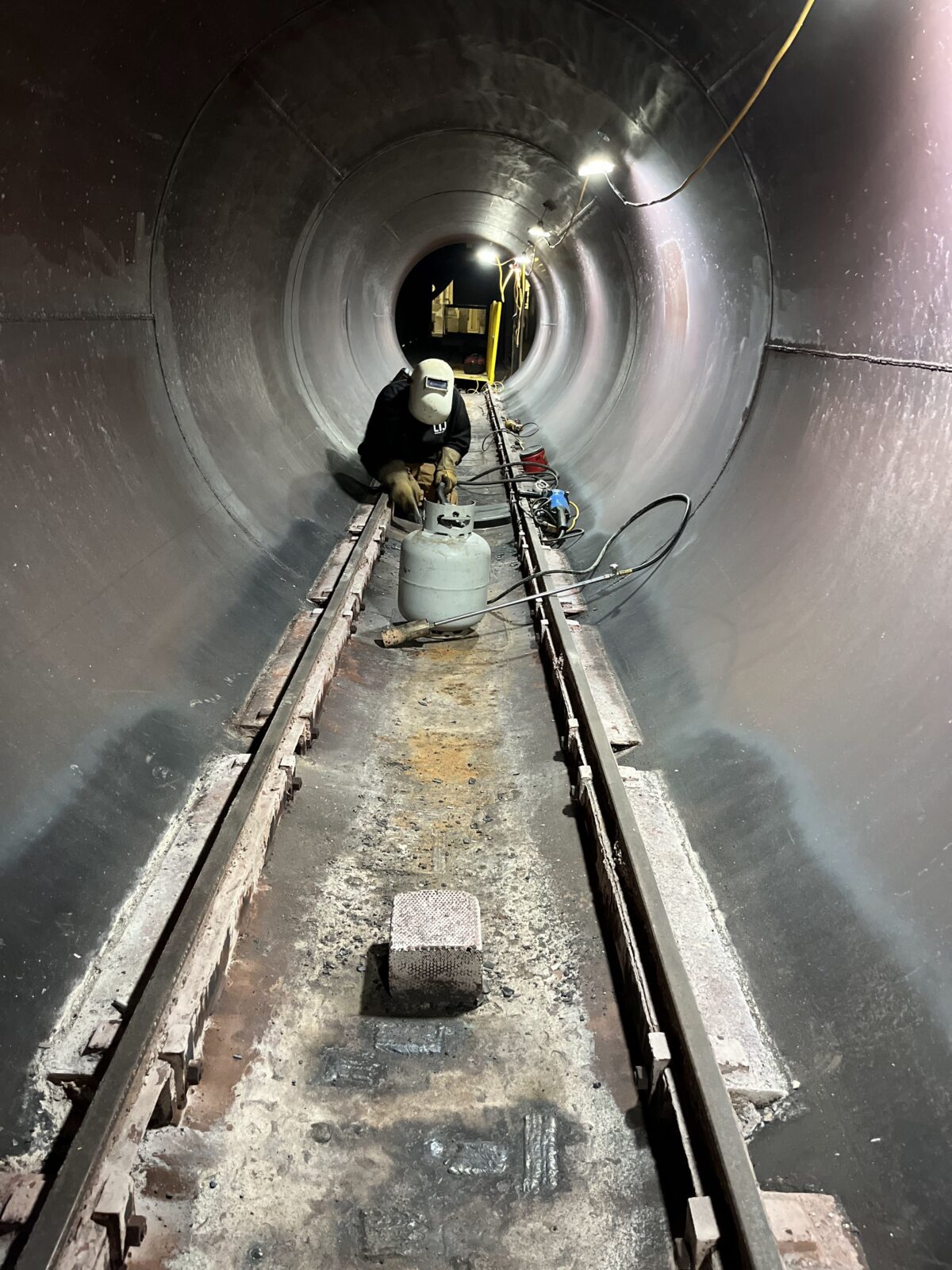
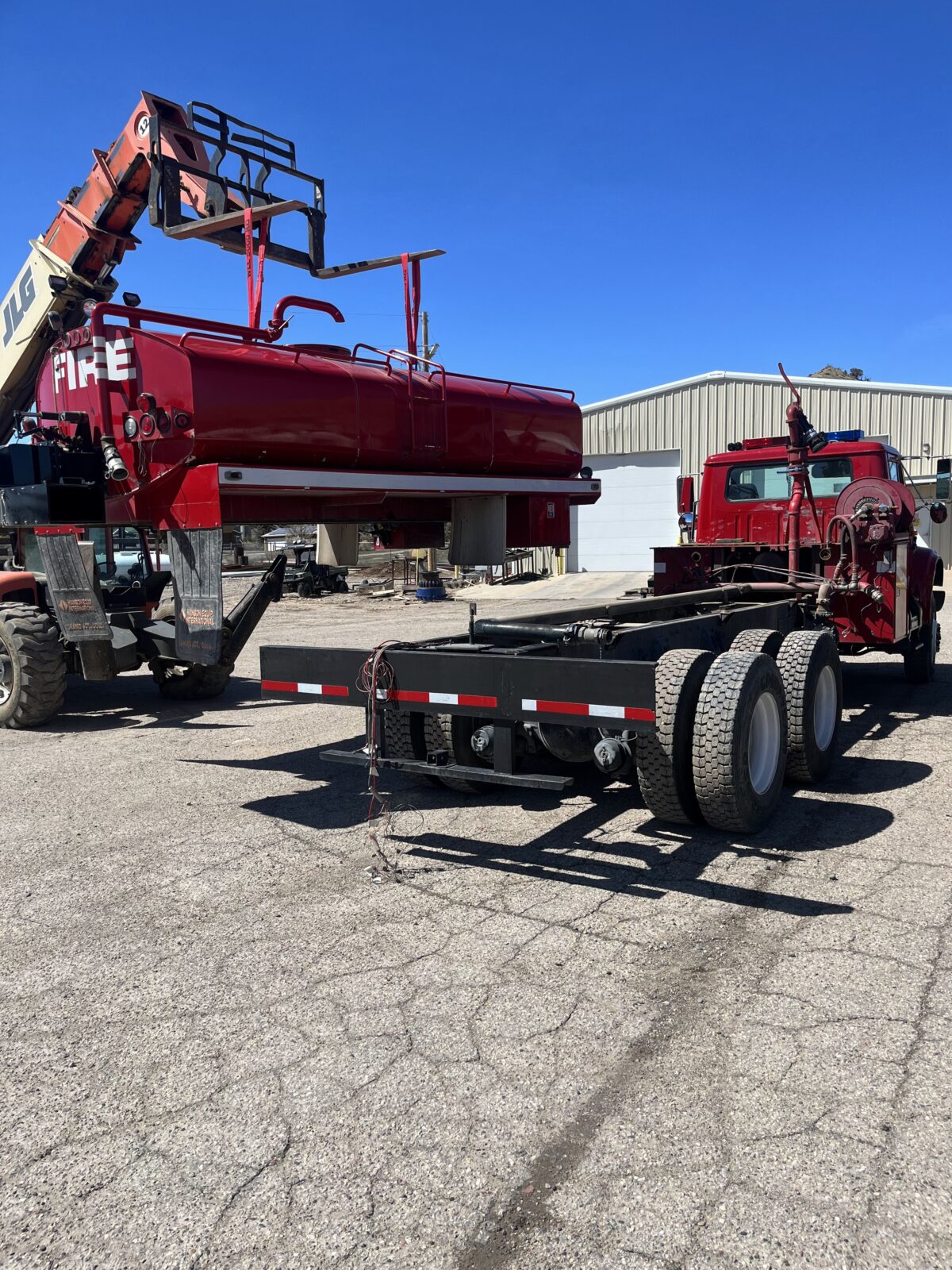
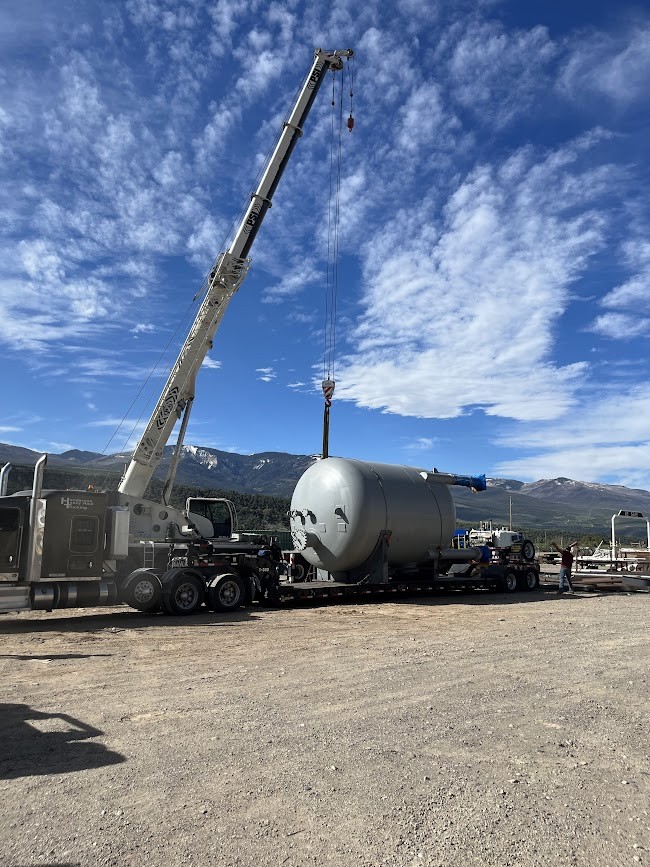
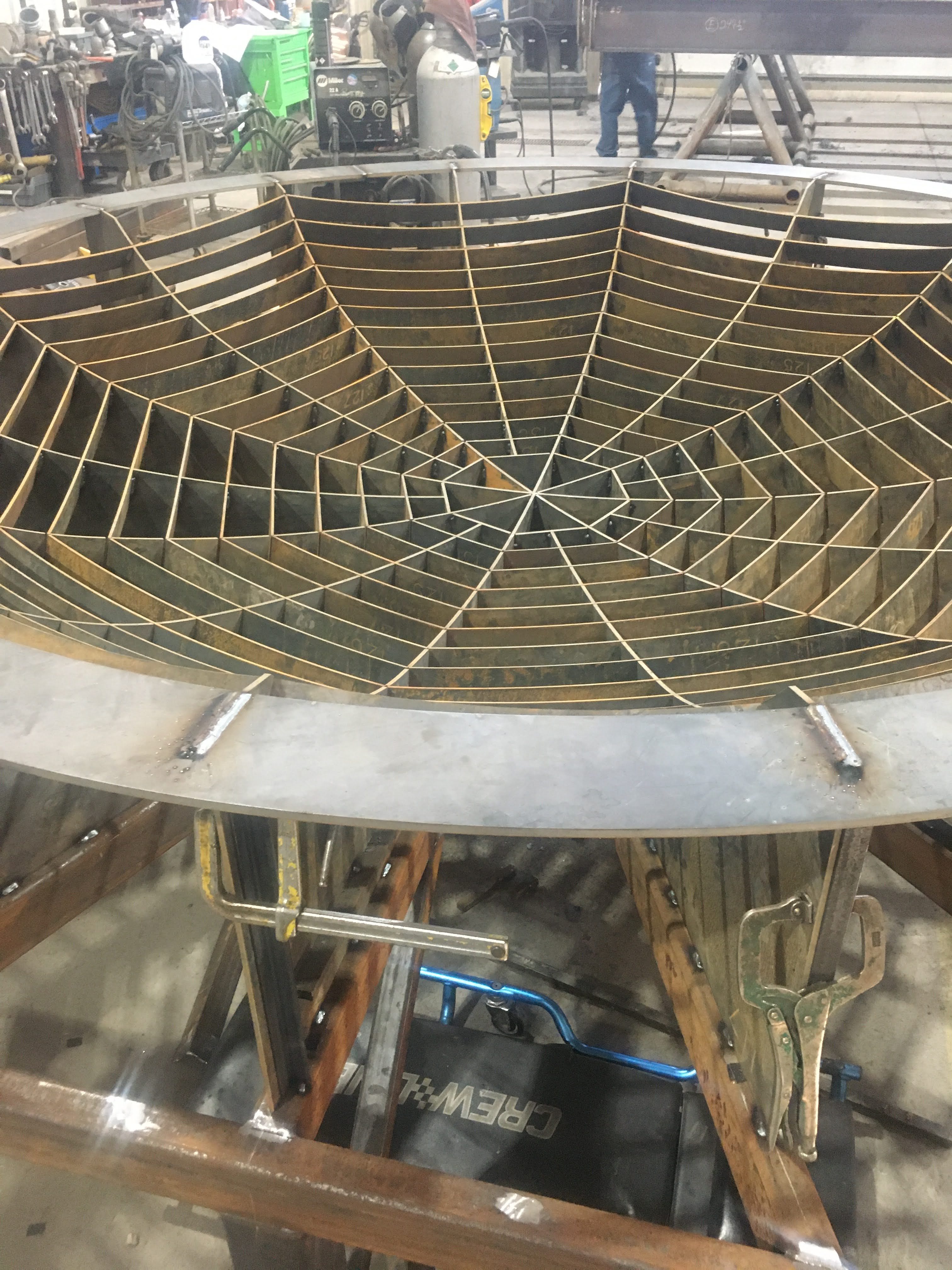
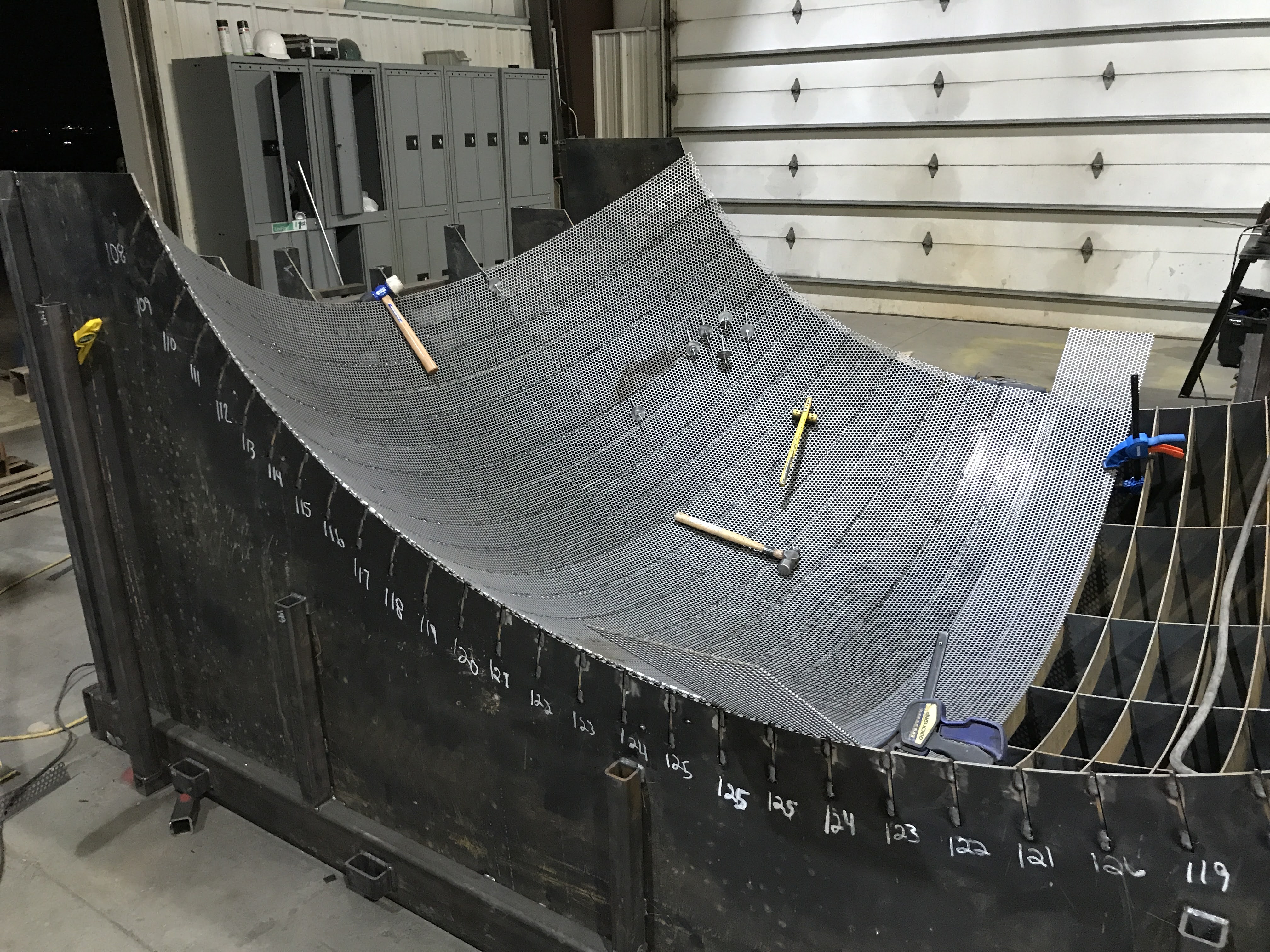
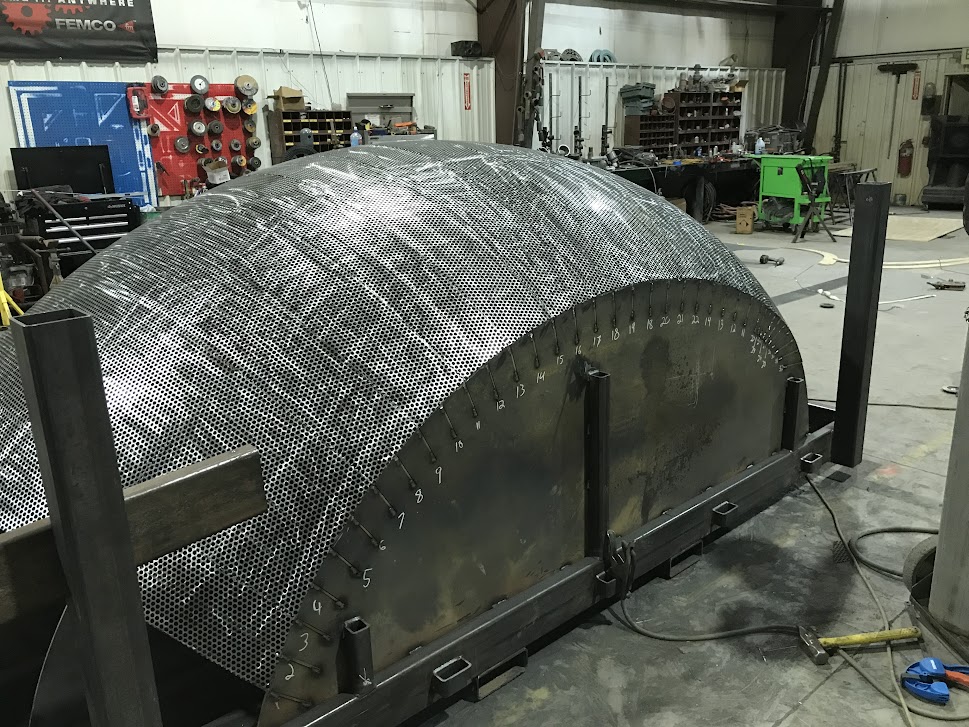
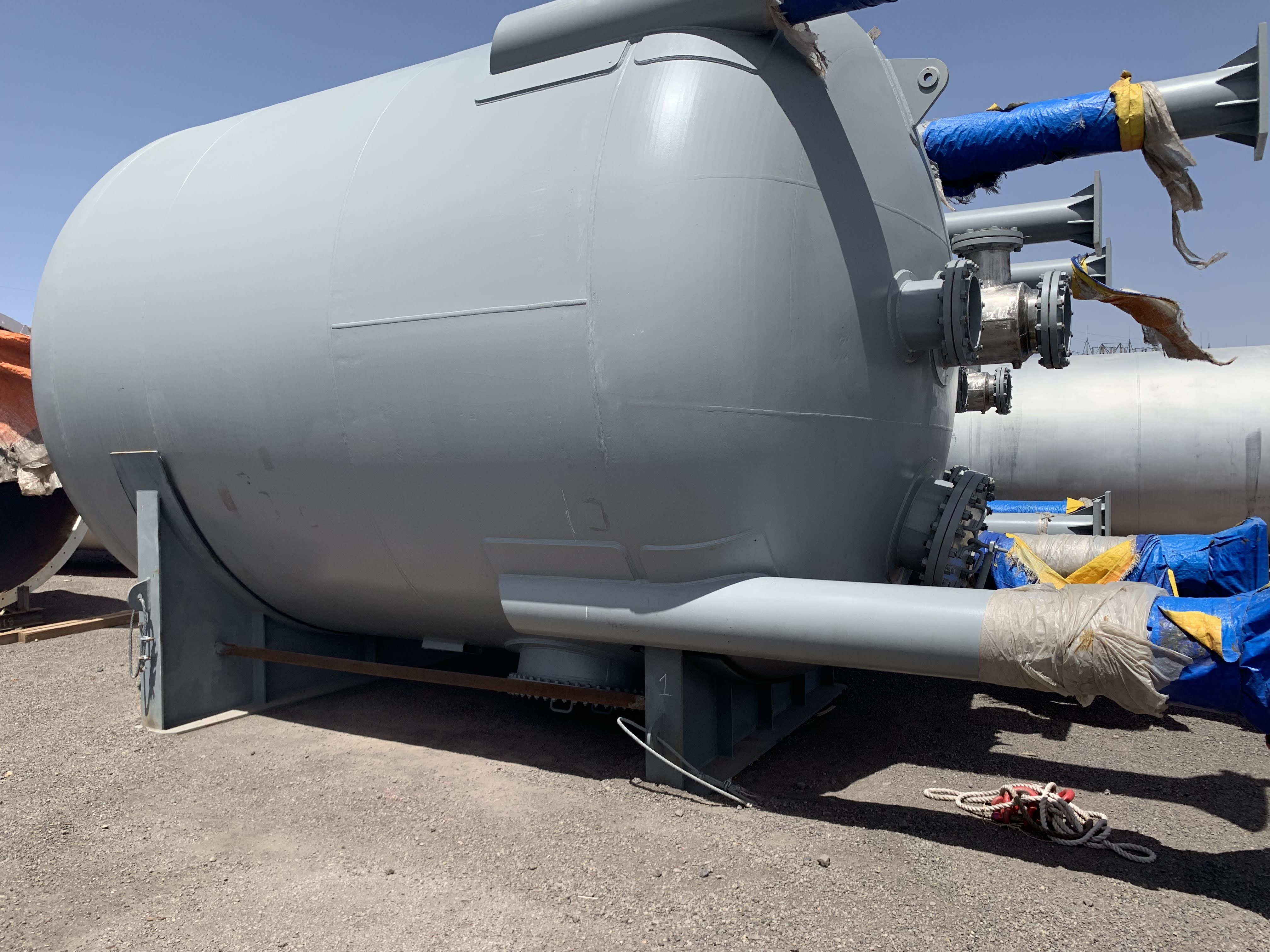
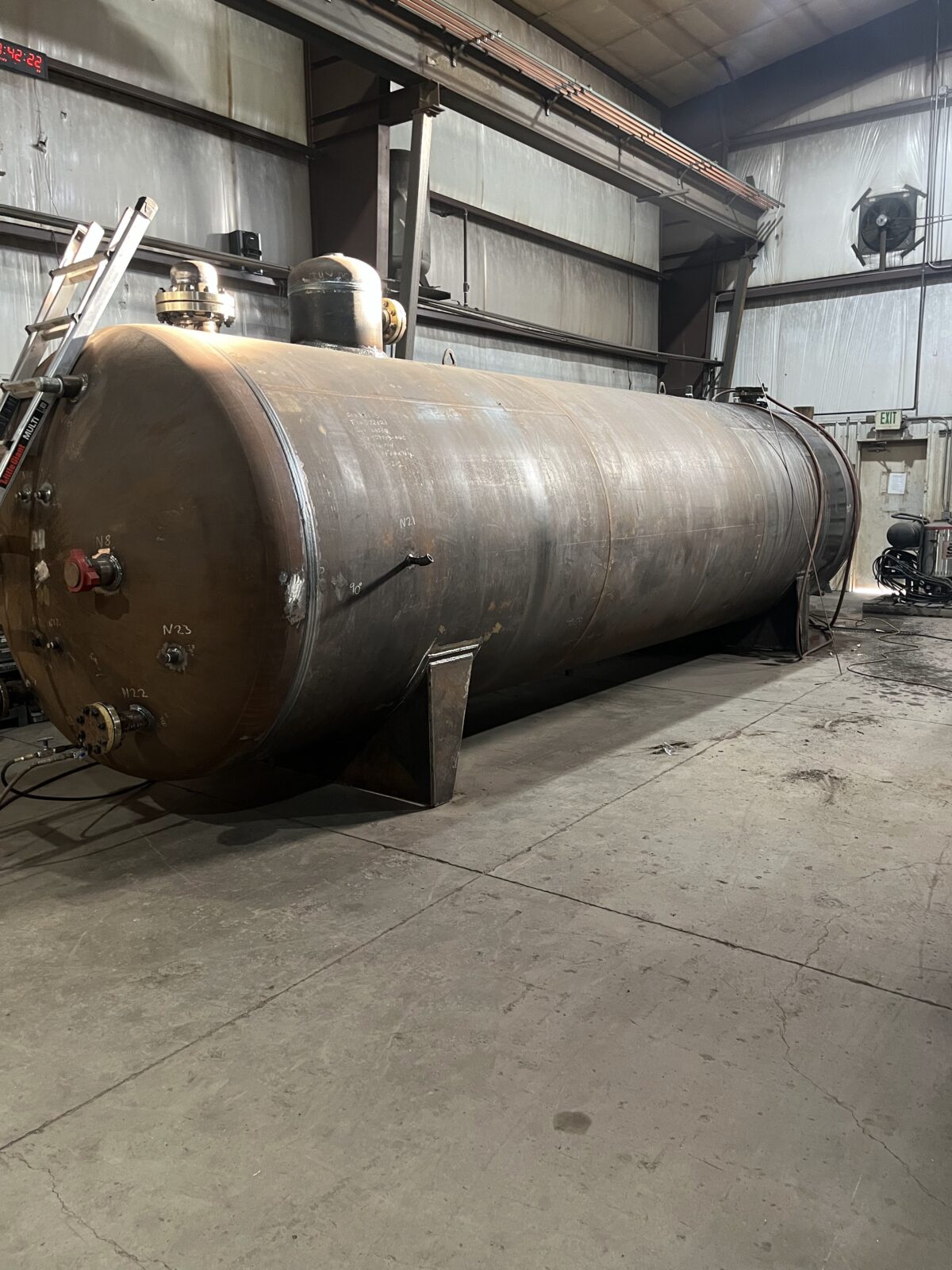
Industrial manufacturing refers to the process of producing goods on a large scale using machinery, tools, and labor, typically within a factory setting. It encompasses various activities, including welding, fabrication, and machining, to create products for commercial and industrial use.
What is industrial manufacturing?
Industrial manufacturing refers to the process of producing goods on a large scale using machinery, tools, and labor. It encompasses various sectors, including welding, fabrication, and machining, to create products for commercial and industrial applications.
What role did textile manufacturing play in initiating the industrial revolution?
Textile manufacturing played a crucial role in initiating the Industrial Revolution by driving technological innovations, increasing production efficiency, and creating a demand for labor, which collectively transformed economies from agrarian to industrialized systems.
How did technological advancements change manufacturing methods during the industrial revolution?
Technological advancements significantly transformed manufacturing methods during the Industrial Revolution by introducing machinery, automation, and innovative processes. These changes increased production efficiency, reduced labor costs, and allowed for mass production of goods, revolutionizing industrial practices.
How did changes in textile manufacturing help initiate the industrial revolution?
Changes in textile manufacturing were pivotal in initiating the Industrial Revolution by introducing mechanization, which increased production efficiency and lowered costs. This transformation sparked innovations, leading to the growth of factories and urbanization, fundamentally altering economic structures.
What helped advance the industrial revolutions manufacturing processes?
The advancements in manufacturing processes during the industrial revolutions were driven by innovations such as mechanization, steam power, and the introduction of assembly lines, which significantly increased production efficiency and reduced labor costs.
What are the equipment involved in industrial and manufacturing processes?
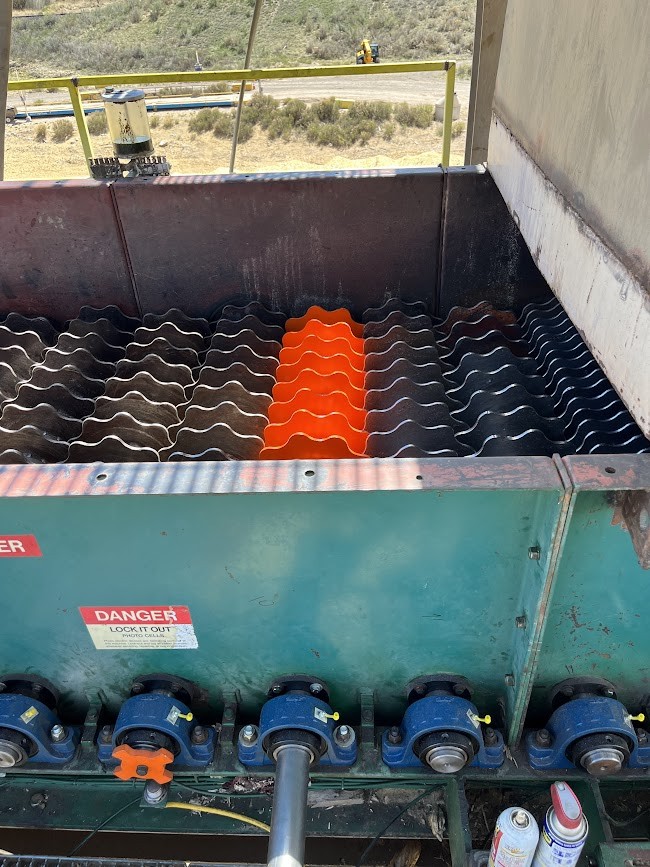
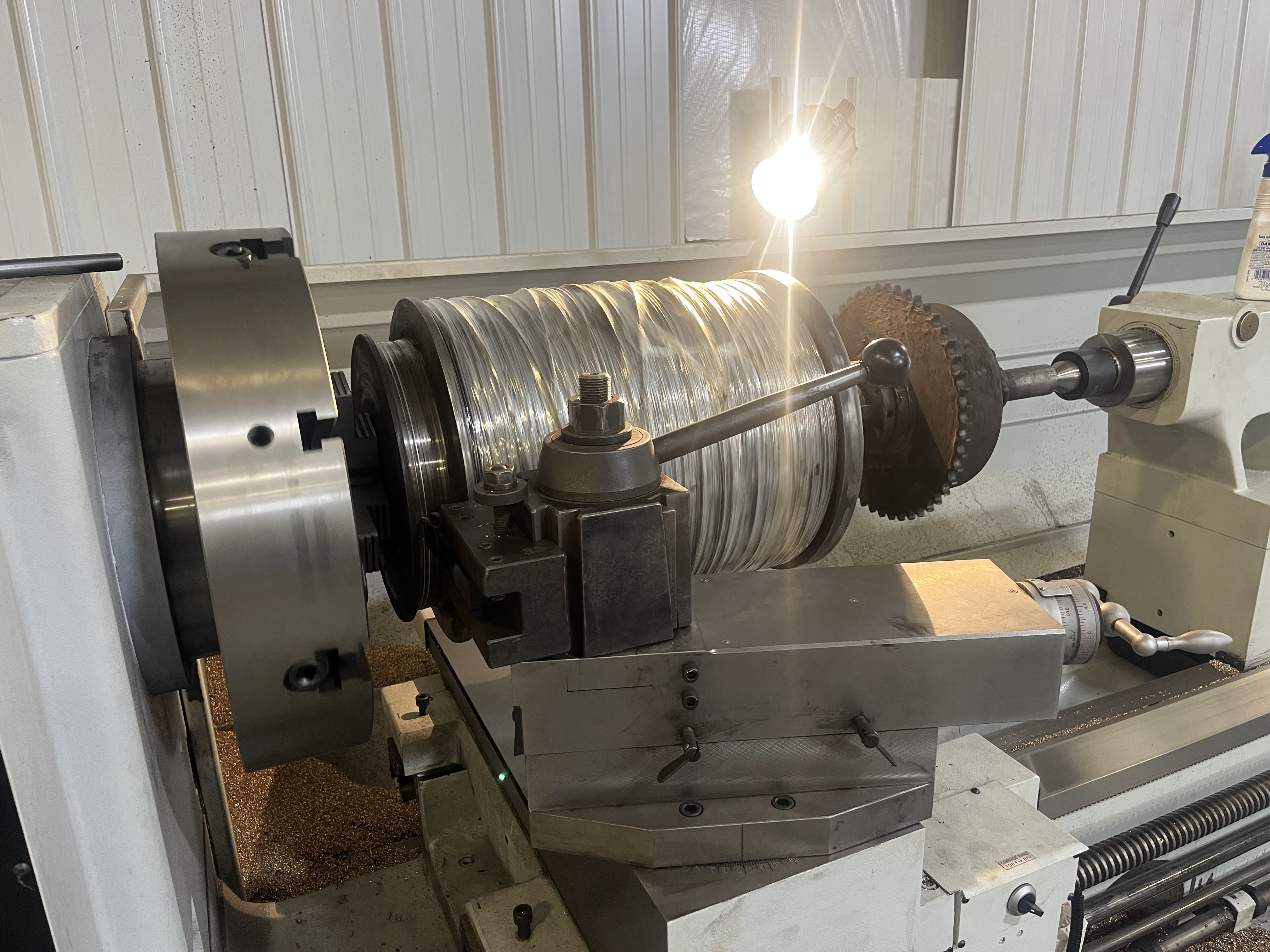
The equipment involved in industrial and manufacturing processes includes machinery such as CNC machines, lathes, welding equipment, presses, and conveyors, which are essential for tasks like fabrication, machining, and assembly in various sectors.
How industrial internet of things (IIoT) is changing the manufacturing industry?
The industrial internet of things (IIoT) is transforming the manufacturing industry by enabling real-time data collection and analysis, enhancing operational efficiency, reducing downtime, and facilitating predictive maintenance for smarter decision-making and improved productivity.
What technologies drive digital transformation in manufacturing?
The technologies that drive digital transformation in manufacturing include IoT, artificial intelligence, advanced robotics, and cloud computing. These innovations enhance efficiency, improve decision-making, and enable real-time data analysis, ultimately streamlining production processes.
How does additive manufacturing impact production efficiency?
Additive manufacturing significantly enhances production efficiency by reducing material waste, allowing for complex designs without the need for extensive tooling, and enabling rapid prototyping. This streamlining of processes leads to faster turnaround times and cost savings in manufacturing.
What challenges do manufacturers face with IoT integration?
The challenges manufacturers face with IoT integration include data security concerns, high implementation costs, interoperability issues among devices, and the need for skilled personnel to manage and analyze the data generated by IoT systems.
What defines modern industrial manufacturing practices?
Modern industrial manufacturing practices are defined by the integration of advanced technologies, automation, lean processes, and data analytics, which enhance efficiency, reduce waste, and improve product quality in manufacturing operations.
How has industrial manufacturing evolved over time?
The evolution of industrial manufacturing has been marked by significant advancements in technology, automation, and processes, transitioning from manual labor to sophisticated machinery and digital systems, enhancing efficiency and productivity in the sector.
What innovations emerged from the industrial revolution?
The innovations that emerged from the Industrial Revolution include the steam engine, mechanized textile production, and advances in metallurgy, which collectively transformed manufacturing processes and significantly increased productivity across various industries.
How did textile advancements influence manufacturing growth?
Textile advancements significantly influenced manufacturing growth by introducing innovative machinery and techniques that increased production efficiency, reduced labor costs, and expanded product variety, ultimately driving the industrial revolution and shaping modern manufacturing practices.
What role does automation play in manufacturing today?
The role of automation in manufacturing today is pivotal, enhancing efficiency, precision, and productivity while reducing labor costs and human error. It enables manufacturers to streamline processes, improve product quality, and respond swiftly to market demands.
What are key trends in industrial manufacturing technology?
Key trends in industrial manufacturing technology include the rise of automation, the integration of IoT for real-time data analysis, the adoption of advanced robotics, and the shift towards sustainable practices to enhance efficiency and reduce waste.
How do supply chain dynamics affect manufacturing processes?
Supply chain dynamics significantly influence manufacturing processes by affecting the availability of materials, production timelines, and overall efficiency. Disruptions or changes in the supply chain can lead to delays, increased costs, and challenges in meeting customer demands.
What skills are essential for modern machinists?
The essential skills for modern machinists include proficiency in CNC programming, attention to detail, problem-solving abilities, and a strong understanding of machining tools and materials. Additionally, effective communication and teamwork skills are crucial in today's industrial environment.
How can manufacturers improve operational efficiency?
Manufacturers can improve operational efficiency by streamlining processes, adopting advanced technologies, optimizing supply chains, and investing in employee training to enhance productivity and reduce waste.
What safety standards apply to industrial manufacturing?
The safety standards that apply to industrial manufacturing include OSHA regulations, ANSI standards, and ISO certifications, which ensure safe working environments, proper equipment usage, and consistent quality across processes. Compliance with these standards is crucial for protecting workers and maintaining operational efficiency.
How does digital technology enhance manufacturing capabilities?
Digital technology enhances manufacturing capabilities by streamlining processes, improving precision, and enabling real-time data analysis. These advancements lead to increased efficiency, reduced downtime, and better product quality, ultimately driving innovation and competitiveness in the industry.
What are common materials used in industrial manufacturing?
Common materials used in industrial manufacturing include metals like steel and aluminum, plastics, composites, and ceramics, each selected for their unique properties to meet specific production requirements and enhance product performance.
How do regulations impact manufacturing practices?
Regulations significantly impact manufacturing practices by establishing safety, quality, and environmental standards that companies must adhere to. Compliance ensures operational efficiency and reduces risks, ultimately influencing production processes and costs.
What is the future of industrial manufacturing?
The future of industrial manufacturing is characterized by increased automation, advanced technologies like AI and IoT, and a focus on sustainability. These trends will enhance efficiency, reduce costs, and improve product quality in the industry.
How can manufacturers leverage data analytics effectively?
Manufacturers can effectively leverage data analytics by utilizing real-time data to optimize production processes, enhance quality control, and predict maintenance needs, ultimately driving efficiency and reducing costs in their operations.
What role does sustainability play in manufacturing today?
The role of sustainability in manufacturing today is crucial, as it drives efficiency, reduces waste, and promotes the use of eco-friendly materials, ultimately enhancing brand reputation and ensuring compliance with environmental regulations.